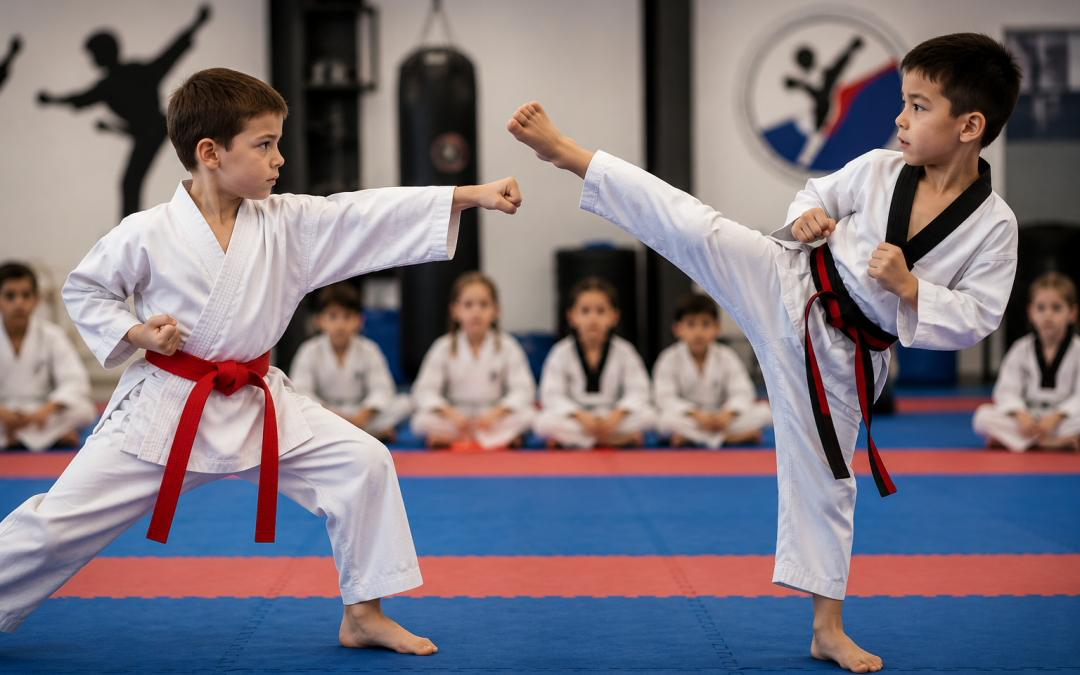
Kids Karate vs. Taekwondo: Which Martial Art Fits Your Child Best?
Choosing the right martial art for your child is an important decision. Many parents compare kids karate classes with Taekwondo because both disciplines offer valuable physical and mental benefits. However, each has its own teaching style, training methods, and areas of focus. Understanding these differences can help you select a program that matches your child’s personality, interests, and long-term goals.
Whether your child is looking to build confidence, improve coordination, develop self-discipline, or simply enjoy an active hobby, both martial arts can provide positive experiences. This guide explains the similarities and differences while helping parents make an informed decision. At Villaris Canada, traditional karate is taught with a strong emphasis on character development, respect, and lifelong learning.
Why Parents Choose Martial Arts
Martial arts offer much more than physical activity. Children develop valuable life skills while participating in structured classes.
Many parents enrol their children to help improve:
- Confidence
- Discipline
- Respect
- Focus
- Coordination
- Fitness
- Social skills
- Self-control
These qualities often benefit children at school, at home, and in everyday life.
Understanding Kids Karate Classes
Traditional kids karate classes focus on balanced physical and mental development. Students learn practical techniques while building discipline through structured training.
Karate training typically includes:
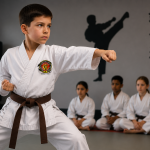
- Punching techniques
- Kicking techniques
- Blocking skills
- Balance exercises
- Kata (forms)
- Partner drills
- Self-defence basics
- Respect and etiquette
Progress is measured through regular practice and gradual skill development.
What Is Taekwondo?
Taekwondo originated in Korea and is recognised for its fast-paced kicking techniques and dynamic movements.
Typical Taekwondo classes include:
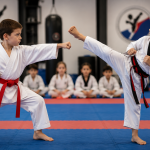
- High kicks
- Jump kicks
- Fast footwork
- Sparring practice
- Forms (Poomsae)
- Flexibility training
- Balance drills
- Competition preparation
Many schools also place significant emphasis on athletic performance and sport competition.
Similarities Between Karate and Taekwondo
Although they have different styles, both martial arts share several important values.
Children learn:
- Respect for instructors
- Self-discipline
- Confidence
- Goal setting
- Physical fitness
- Coordination
- Concentration
- Perseverance
Both disciplines encourage positive personal growth through consistent practice.
Key Differences Between Karate and Taekwondo
Understanding their differences helps parents choose the best fit.
| Karate | Taekwondo |
|---|---|
| Balanced hand and foot techniques | Strong emphasis on kicking |
| Traditional self-defence focus | Sport-oriented training in many schools |
| Practical movement | Dynamic athletic movement |
| Strong emphasis on discipline | Strong emphasis on speed and agility |
| Structured progression | Competition often encouraged |
Neither discipline is better than the other. The right choice depends on your child’s interests and learning style.
Karate Classes for Kids Focus on Practical Skills
Many karate classes for kids teach practical techniques that are suitable for everyday self-defence while encouraging controlled movements and good decision-making.
Children practise:
- Controlled punches
- Defensive blocks
- Stable stances
- Basic kicks
- Safe movement
- Respectful partner work
- Body awareness
- Problem-solving
These exercises help children develop confidence while learning responsibility.
Karate Lessons for Children Build Strong Foundations
Quality karate lessons for children emphasise gradual improvement rather than immediate results.
Students develop:
- Patience
- Confidence
- Concentration
- Responsibility
- Consistency
- Respect
- Healthy habits
- Positive attitudes
Each class builds upon previously learned skills, allowing steady long-term progress.
Which Martial Art Is Better for Confidence?
Both karate and Taekwondo help children become more confident.
Traditional karate often develops confidence through:
- Skill mastery
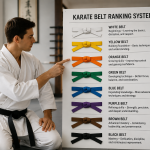
- Belt progression
- Respectful learning
- Positive encouragement
- Consistent practice
- Personal achievement
- Goal setting
- Self-improvement
Confidence grows naturally as children overcome new challenges.
Discipline and Respect in Traditional Karate
One reason many families choose karate is its strong emphasis on discipline and respect.
Children learn to:
- Listen carefully.
- Follow instructions.
- Respect classmates.
- Show courtesy.
- Accept feedback.
- Practice patience.
- Demonstrate responsibility.
- Work toward long-term goals.
These habits often transfer into school and home life.
Physical Benefits for Children
Both martial arts improve overall fitness.
Common benefits include:
- Better coordination.
- Improved balance.
- Increased flexibility.
- Greater endurance.
- Stronger muscles.
- Faster reactions.
- Better posture.
- Healthy activity levels.
Regular training supports physical development while making exercise enjoyable.
Mental Benefits Beyond the Dojo
Martial arts also contribute to emotional and mental development.
Children may improve:
- Concentration.
- Self-control.
- Emotional resilience.
- Problem-solving.
- Listening skills.
- Goal achievement.
- Stress management.
- Positive thinking.
These qualities benefit children in many areas of everyday life.
How to Choose the Right Martial Art
Every child has different interests and learning styles.
Consider:
- Personality.
- Confidence level.
- Physical interests.
- Long-term goals.
- Learning style.
- Instructor experience.
- Class environment.
- Training philosophy.
Visiting classes and observing instructors can help parents make informed decisions.
Why Instructor Experience Matters
An experienced instructor can greatly influence a child’s learning experience.
Look for schools that provide:
- Qualified instructors.
- Safe training.
- Positive encouragement.
- Structured lessons.
- Individual attention.
- Respectful teaching.
- Age-appropriate instruction.
- Consistent progression.
Quality instruction is often more important than the specific martial art itself.
Why Many Families Choose Villaris Canada
At Villaris Canada, traditional karate focuses on helping children become confident, respectful, and disciplined individuals.
Training encourages:
- Personal growth.
- Strong character.
- Positive habits.
- Respect.
- Consistency.
- Self-confidence.
- Physical fitness.
- Lifelong learning.
Rather than focusing only on competition, students are encouraged to develop skills that benefit them throughout life.
Helping Your Child Get Started with Karate
Starting martial arts is an exciting step for many children. Parents can make the transition easier by encouraging their child to approach training with a positive attitude and realistic expectations. Every student learns at a different pace, and steady improvement is far more important than immediate perfection.
Before enrolling, consider attending an introductory class to observe the teaching style and training environment. Look for instructors who encourage respect, patience, and personal growth while creating a supportive atmosphere for every student. When children feel comfortable and motivated, they are more likely to enjoy training and continue developing valuable life skills through karate.
Conclusion
Choosing between kids karate classes and Taekwondo ultimately depends on your child’s personality, interests, and goals. Both disciplines offer excellent opportunities to build confidence, fitness, coordination, and discipline. However, traditional karate places a strong emphasis on balanced self-defence skills, respect, structured learning, and long-term character development.
For parents seeking karate classes for kids that prioritise confidence, discipline, and lifelong personal growth, Villaris Canada offers a welcoming environment where children can develop valuable skills both inside and outside the dojo. With experienced instructors and thoughtfully designed karate lessons for children, families can feel confident that their child is learning in a supportive and respectful setting.
Frequently Asked Questions
1. Is karate or Taekwondo better for young children?
Both are excellent choices. The best option depends on your child’s personality, interests, and preferred learning style.
2. What age can children start karate classes?
Many karate schools welcome children from around four to six years old, depending on the program and the child’s readiness.
3. Do karate classes improve confidence?
Yes. Regular practice, structured progression, and achieving new goals help children develop genuine confidence over time.
4. What should parents look for when choosing a martial arts school?
Look for experienced instructors, a safe environment, age-appropriate classes, structured teaching, and a strong emphasis on respect and character development.
5. Why choose traditional karate at Villaris Canada?
Villaris Canada focuses on traditional karate principles, helping children build confidence, discipline, focus, and respect through structured, supportive, and engaging training.