How Much Do Karate Classes Cost in the GTA? A Realistic Pricing Guide
Choosing adult karate classes Canada can be a great way to improve fitness, learn practical skills, build confidence, and become part of a supportive community. However, cost is often an important factor when adults compare martial arts schools.
The challenge is that karate fees can vary from one school to another. A simple monthly figure does not always show what you receive for your membership. Class frequency, programme structure, instructor experience, grading, equipment, and membership terms can all affect the overall cost.
This guide explains the main factors that influence the cost of karate training across the Greater Toronto Area. It also shows what adults should look for when comparing karate classes for adults, so you can make a confident decision based on value rather than price alone.
What Affects the Cost of Adult Karate Classes Canada?
There is no single fee that applies to every karate school. Different training centres offer different programmes, schedules, facilities, and levels of support.
When comparing adult karate training Canada options, consider the complete programme rather than looking at membership fees alone.
Common factors include:
- Number of classes available each week
- Length of each training session
- Instructor experience and qualifications
- Class size and student-to-instructor attention
- Belt grading and assessment structure
- Training equipment provided
- Uniform requirements
- Membership terms
- Beginner programmes
- Advanced training opportunities
- Additional workshops or events
For example, a school offering several weekly classes may provide greater flexibility than a centre with only one scheduled session. This can be especially valuable for working adults who need to fit training around busy routines.
Understanding Different Karate Membership Structures
Karate schools may use different membership models. Understanding these structures makes comparing options much easier.
Monthly Training Memberships
Some schools offer ongoing memberships that allow students to attend regular classes. These can work well for adults who want to make karate part of their weekly routine.
Before joining, check what the membership includes. Ask whether students can attend multiple classes and whether different skill levels are included.
Programme-Based Training
Other martial arts schools may structure training around specific programmes. These can provide a clear path for beginners and students who want to progress through the belt system.
Programme-based training can also help students understand what skills they will develop over time.
Flexible Training Options
Adults with changing schedules may benefit from flexible attendance options. This can be particularly useful for people balancing work, family commitments, travel, or other responsibilities.
When comparing karate classes for adults, always ask how easy it is to make up a missed class.
Does the Number of Classes Matter?
Yes. Class access is an important part of value.
A membership may look attractive at first glance, but its real value depends on how often you can realistically train.
Consider your schedule before choosing a programme.
If you can attend several sessions each week, a school with a broad timetable may offer better value. If your schedule is unpredictable, flexibility may matter more than the number of available classes.
Regular training also supports progress. Karate involves technique, timing, movement, balance, and repetition. Consistent practice helps these skills become more natural.
For this reason, choosing a programme you can maintain is often more important than choosing the cheapest option available.
What Should Be Included in Your Karate Training?
When comparing adult karate classes Canada, look beyond the basic class itself.
A well-structured programme may include several elements that contribute to the student’s experience.
These can include:
- Structured lessons
- Technique development
- Fitness and conditioning
- Partner drills
- Self-defence skills
- Belt progression
- Instructor feedback
- Goal setting
- Community activities
- Student support
The right combination depends on your goals.
Someone interested in fitness may place more importance on active sessions and conditioning. Another student may care more about traditional karate, self-defence, competition, or personal development.
A good school should explain what its programme offers before you commit.
How Instructor Experience Can Affect Value
The instructor plays a major role in the quality of martial arts education.
Experienced instructors can help students understand technique, correct mistakes, and progress at a suitable pace. They also need to create a training environment where beginners feel comfortable.
This is particularly important for adults who may have never trained in martial arts before.
At Villaris Martial Arts Centres, prospective students can consider more than the membership structure. The quality of instruction, learning environment, programme structure, and opportunities for progression all contribute to the overall experience.
When visiting a school, ask about instructor backgrounds and how new students are introduced to training.
Are Equipment and Uniforms Included?
Equipment can be another factor that affects the overall cost of karate training.
Some schools may require students to purchase a karate uniform. Depending on the programme, additional protective equipment may also be needed later.
Ask what you need before your first class.
You can ask:
- Is a uniform required immediately?
- Is training equipment provided?
- Which equipment must students purchase themselves?
- Are grading materials included?
- Are there additional requirements for advanced training?
Getting clear answers helps you understand the complete commitment before joining.
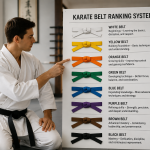
Belt Grading and Progression Costs
Belt grading is an important part of many karate programmes. It gives students clear goals and allows instructors to assess their progress.
However, grading policies can differ between schools.
Some programmes may include assessment within their standard membership structure. Others may charge separately for grading or related requirements.
This does not automatically make one programme better than another. The important point is transparency.
Before enrolling, ask how progression works and whether there are additional requirements at different stages.
A clear progression system can help adults stay motivated because they can see how their training is developing.
Compare Value, Not Just Cost
When comparing karate classes for adults, it can be tempting to choose the school with the lowest advertised fee.
However, cost alone does not tell you whether a programme is right for you.
Instead, compare the complete experience.
| Factor | What to Consider |
|---|---|
| Class access | How many sessions fit your schedule? |
| Instruction | Are instructors experienced and supportive? |
| Programme | Does training match your goals? |
| Progression | Is there a clear belt system? |
| Flexibility | Can you make up missed sessions? |
| Equipment | What is included and what must you provide? |
| Community | Does the school create a positive environment? |
| Support | Will instructors help you improve? |
This approach gives you a more realistic picture of value.
Is Karate Worth the Investment for Adults?
For many adults, karate offers benefits that extend beyond physical exercise.
Regular martial arts training can provide a structured activity that supports fitness, coordination, discipline, confidence, and goal setting.
There is also a social side to training. Joining a martial arts school can introduce you to people who share similar interests and goals.
For adults who spend much of the day sitting at work, regular movement can also provide a useful change from a desk-based routine.
The value is therefore not limited to the time spent inside the dojo. It can also come from the skills, habits, relationships, and confidence developed through consistent practice.
Questions to Ask Before Joining a Karate School
Before choosing adult karate training Canada, arrange a conversation with the school or attend an introductory session when available.
Ask questions such as:
- What does the adult programme include?
- How often can I train?
- Are beginner classes available?
- How does belt progression work?
- Are grading fees separate?
- What equipment will I need?
- What happens if I miss a class?
- Are there advanced training opportunities?
- What are the membership terms?
- Can I try a class before committing?
The answers can help you compare schools fairly.
They also give you an idea of how transparent and welcoming the training centre is.
Why Transparency Matters at Villaris Martial Arts Centres
Choosing a martial arts school is a personal decision. Adults should feel comfortable asking questions about training, commitments, progression, and membership.
Villaris Martial Arts Centres focuses on creating a structured environment where students can develop their skills over time. For prospective students, understanding the programme before joining can make the decision much easier.
Rather than choosing based only on a headline cost, look at what the programme provides and whether it supports your personal goals.
A transparent conversation with the school can help you understand what to expect from your training journey.
Final Thoughts
The cost of adult karate classes Canada can vary because every school has its own programme, timetable, instructors, facilities, and membership structure. That is why comparing a single fee is not enough when deciding where to train.
Instead, consider the full value of the programme. Look at class access, instructor support, progression, flexibility, equipment, and the overall training environment.
For adults comparing karate classes for adults, the best choice is usually the programme that fits both your goals and your lifestyle.
A good martial arts school should make its structure clear and give you the information needed to make an informed decision. Taking time to ask questions before joining can help you find a programme that you can enjoy and maintain for the long term.
FAQs About Adult Karate Classes Canada
1. How much do adult karate classes cost in Canada?
The cost varies between schools and programmes. Instead of relying on a single figure, compare what each membership includes, such as class access, instructor support, grading, equipment, and programme benefits.
2. Are karate classes suitable for adults who are complete beginners?
Yes. Many karate programmes welcome adults with no previous martial arts experience. Beginners can learn basic movements and techniques before progressing to more advanced training.
3. How often should adults train in karate?
Consistency is more important than trying to train as often as possible. Choose a schedule that fits your lifestyle and allows you to attend regularly.
4. What should I look for when comparing karate classes for adults?
Consider instructor experience, class schedules, programme structure, progression, flexibility, training environment, equipment requirements, and membership terms.
5. Is equipment included with adult karate training Canada programmes?
This depends on the school. Some equipment may be provided, while students may need to purchase items such as uniforms or protective gear. Always ask about requirements before joining.
6. How does belt progression work in karate?
Students generally progress through a series of belt levels by developing techniques and demonstrating the required skills. The exact grading structure varies between martial arts schools.