
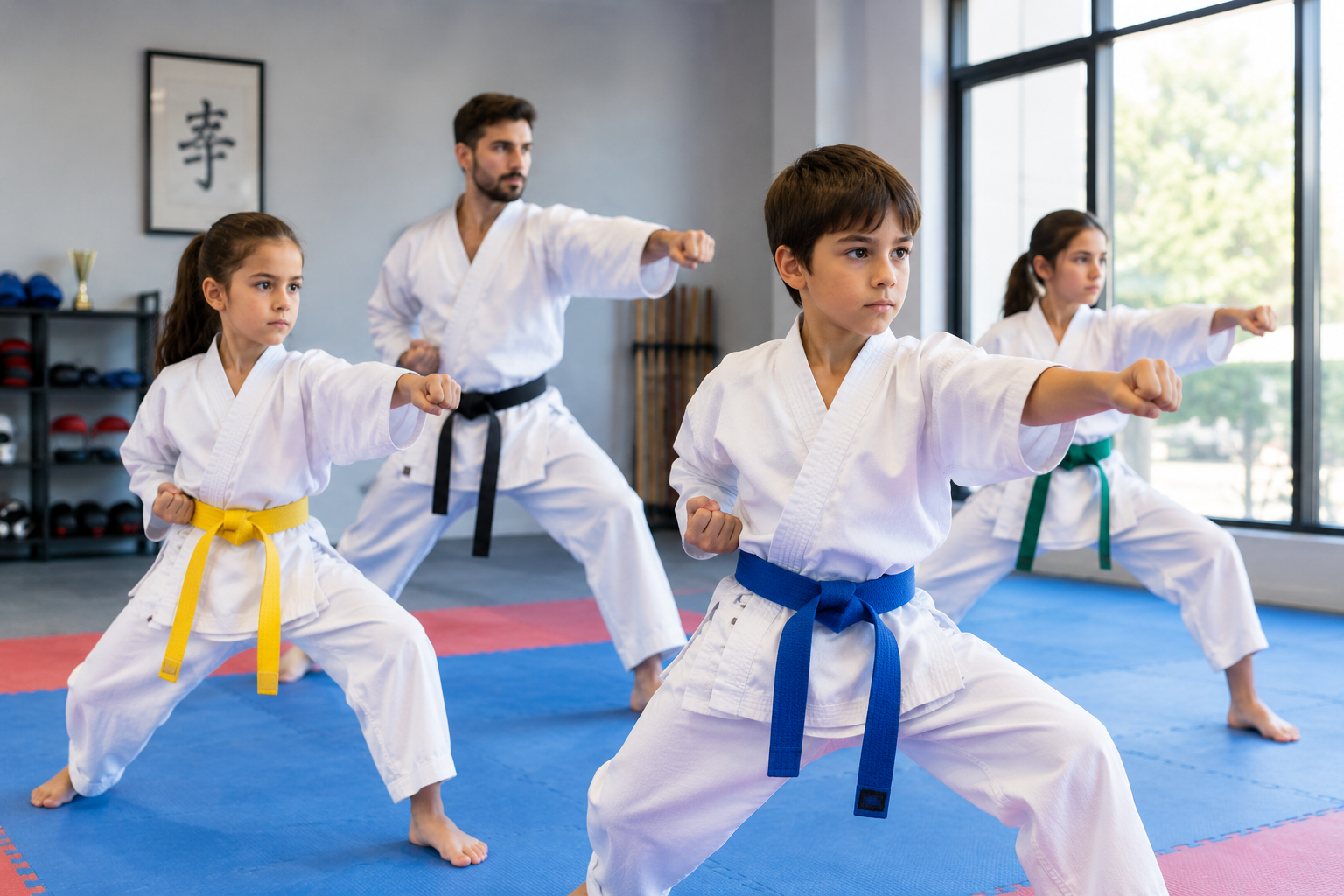
Martial arts can be much more than learning how to punch, kick, block, or move. Regular training can support physical fitness, focus, confidence, discipline, and social development. The benefits of martial arts can also vary depending on age, goals, experience, and the type of training involved.
For children, martial arts can provide a structured setting where they learn movement, patience, respect, and teamwork. Adults may use training to stay active, manage stress, build confidence, or develop practical self-defense skills. For beginners of any age, martial arts can offer a clear way to work toward small goals while learning useful skills.
What Are the Main Benefits of Martial Arts?
The martial arts benefits go beyond physical exercise. A well-structured training program can involve several areas of personal development at the same time.
Key benefits may include:
- Improved strength, balance, and coordination
- Better cardiovascular fitness
- Greater focus and concentration
- Increased confidence
- Improved discipline and patience
- Opportunities for social interaction
- Better awareness of personal space and surroundings
- Practical self-defense knowledge
- A structured way to stay active
However, results depend on factors such as training frequency, age, starting fitness level, instruction, and individual goals.
Physical Benefits of Martial Arts
One of the most noticeable martial arts training benefits is improved physical fitness. Training often involves repeated movements that challenge different muscle groups while also developing balance and coordination.
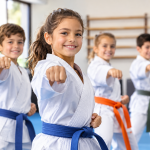
Benefits for Kids
Children are still developing basic movement skills, so martial arts can give them a structured way to practise body control.
Drills may involve footwork, balance, controlled kicks, punches, blocks, and changes in direction. These activities can help children become more aware of how their bodies move.
Regular activity can also support general fitness. However, children’s programs should use age-appropriate exercises and focus on safe technique rather than excessive intensity.
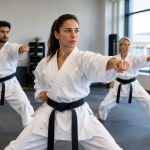
Benefits for Adults
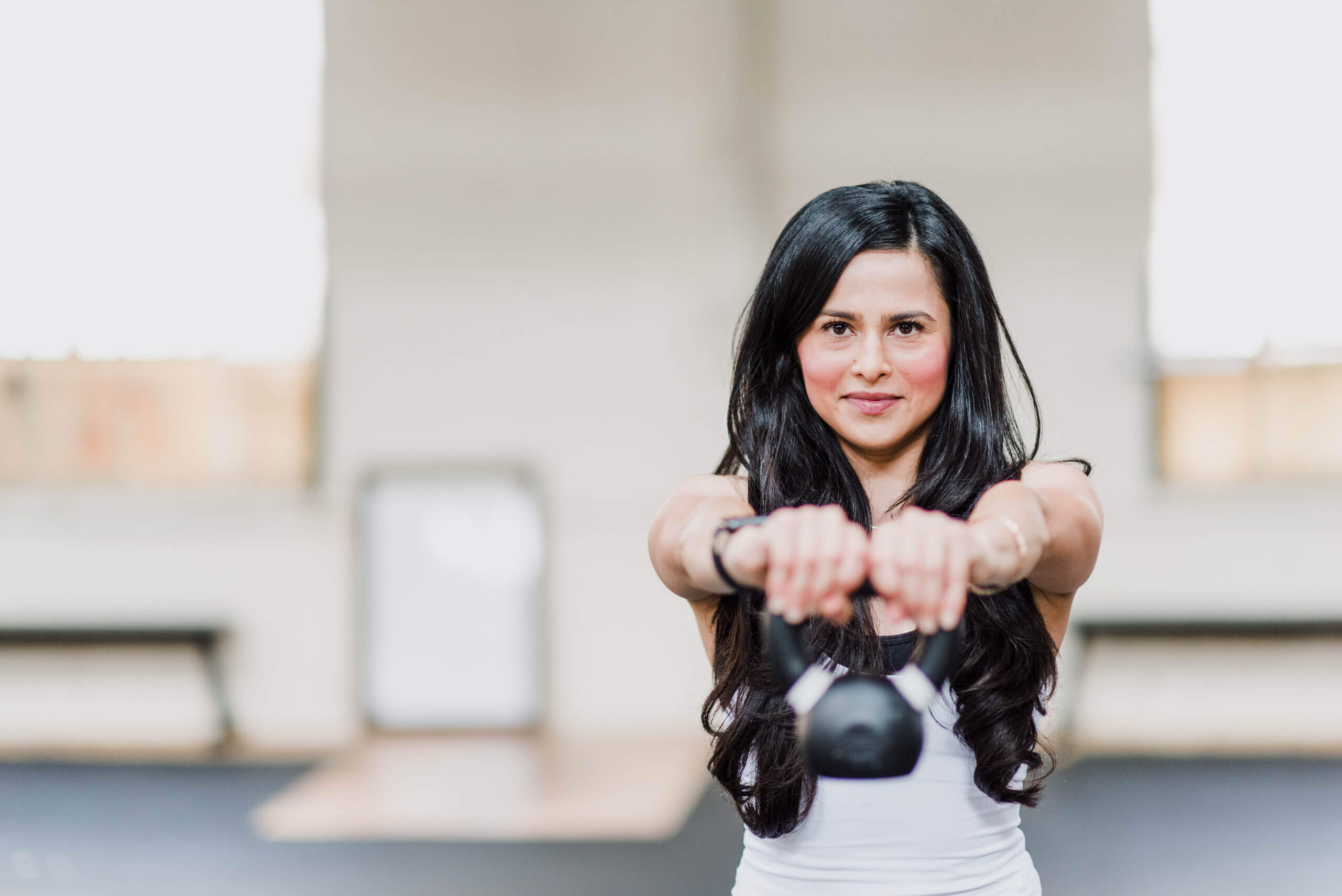
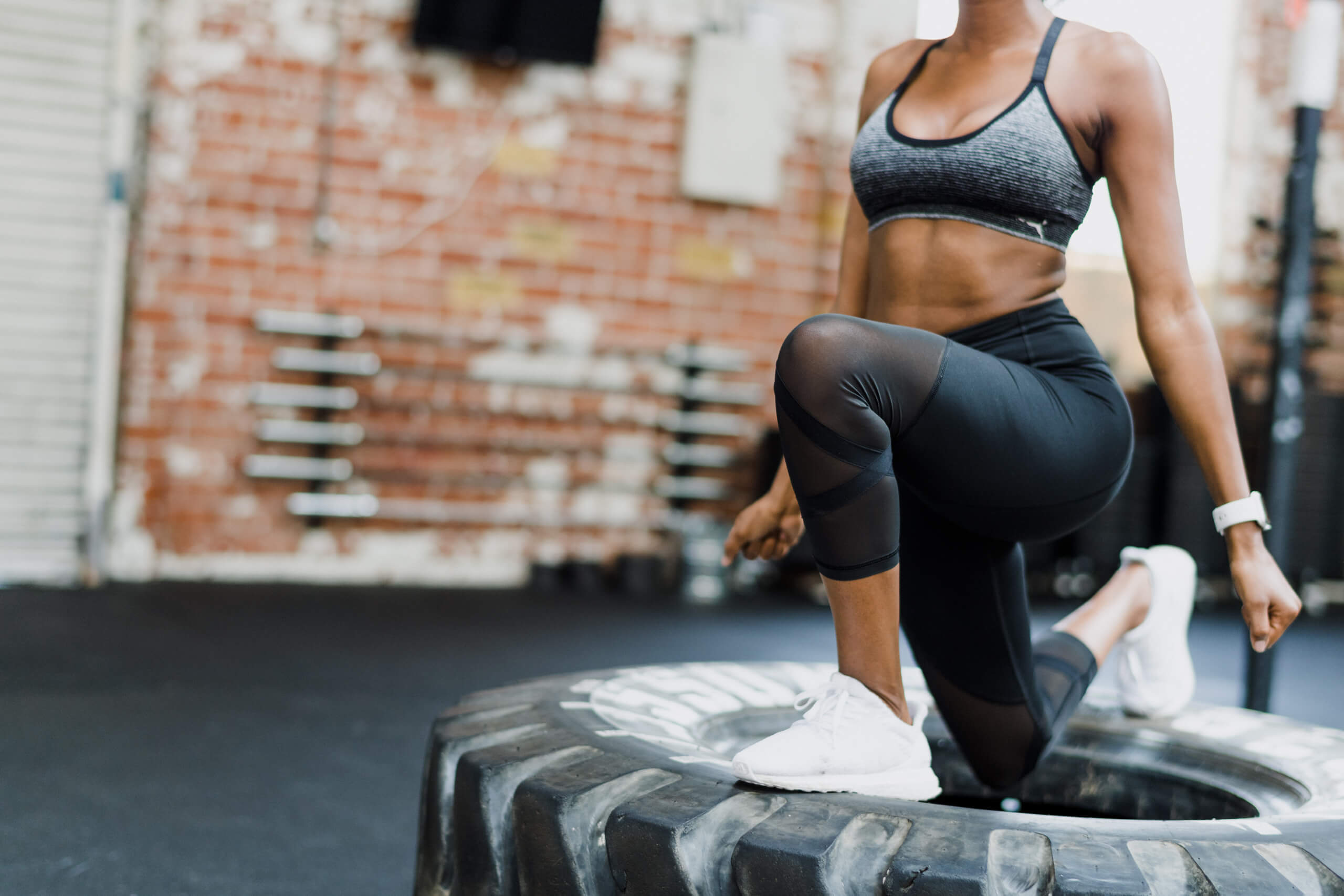
For adults, martial arts can provide a varied form of exercise. A session may combine warm-ups, technique practice, movement drills, conditioning, and partner exercises.
This variety can make training more engaging than repeating the same workout each time. Depending on the program, regular practice may help improve stamina, strength, flexibility, balance, and coordination.
Adults should still train at a suitable level and increase intensity gradually, especially when returning to exercise after a long break.
Mental Benefits of Martial Arts
The mental side of martial arts is just as important as physical development. Learning a new technique requires attention, repetition, and patience.
For both children and adults, progress often comes through practising a movement several times before it feels natural. This process can teach students to stay focused when something feels difficult.
Focus and Concentration
Martial arts require students to listen to instructions, remember sequences, watch their surroundings, and respond to movement.
For children, this can create regular opportunities to practise following instructions and staying engaged with a task. Adults may find that focused training provides a useful break from daily responsibilities.
Discipline and Goal Setting
Progress in martial arts usually takes time. Students may work toward new techniques, skills, or rank levels.
This creates an opportunity to learn that improvement comes from consistent effort rather than instant results. For beginners, even small milestones can provide a sense of progress.
These lessons can also apply outside training. A child may become more comfortable working toward a long-term goal, while an adult may find that regular training helps establish a consistent exercise routine.
Confidence and Emotional Development
Confidence is another commonly discussed benefit of martial arts, but it is important to understand where that confidence can come from.
Students do not need to become the strongest person in the room to feel more confident. Instead, confidence may develop through learning new skills, handling challenges, receiving feedback, and seeing gradual improvement.
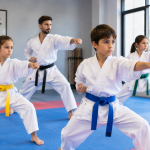
Martial Arts for Kids
Children can face many situations where they need to try something unfamiliar. A supportive martial arts class can give them a controlled environment for doing this.
They may initially struggle with a technique but improve after repeated practice. Over time, this can help children become more comfortable with mistakes and challenges.
A good children’s program should also reinforce respect, cooperation, and controlled behaviour rather than encouraging aggression.
Martial Arts for Adults
Adults may begin training with different goals. Some want to improve fitness, while others want to learn self-defense or simply try something new.
Learning a new physical skill can provide a sense of achievement. Training can also give adults a regular activity where progress can be measured over time.
Social Benefits of Martial Arts
Martial arts training is often an individual journey, but much of the practice takes place around other people.
Students may work with training partners, instructors, and other members of their class. They learn to take turns, follow rules, respect personal space, and work together during drills.
For children, this can support social learning in a structured setting. Partner activities can teach cooperation and respect while giving children opportunities to interact with others.
Adults can also benefit from the social side of training. Joining martial arts classes can provide a regular opportunity to meet people with different backgrounds and experience levels.
Practical Self-Defense Benefits
Self-defense is an important part of many martial arts systems. However, effective self-defense involves more than learning physical techniques.
Awareness, distance, communication, decision-making, and avoiding unsafe situations can all be important.
Self-Defense for Kids
For children, self-defense education should be age appropriate. The focus can include recognising uncomfortable situations, understanding boundaries, seeking help, and knowing when to move away from a potential problem.
Physical techniques should be taught in a controlled setting and should not encourage children to seek out confrontation.
Self-Defense for Adults
Adults may learn techniques for creating space, protecting themselves, and responding to common physical situations.
Good instruction should also explain that avoiding conflict is often the safest option. Students can learn physical skills while also developing awareness and decision-making.
The aim should be practical knowledge and controlled responses, not aggression.
How Benefits Differ Between Kids and Adults
Although children and adults can enjoy many of the same benefits of martial arts, their training goals may be different.
| Area | Kids | Adults |
|---|---|---|
| Fitness | Coordination, balance and active movement | Strength, stamina and overall fitness |
| Mental skills | Focus, patience and following instructions | Concentration, stress management and goal setting |
| Confidence | Trying new tasks and overcoming challenges | Skill development and personal progress |
| Social development | Cooperation and respect | Community and partner training |
| Self-defense | Awareness, boundaries and seeking help | Awareness, prevention and physical skills |
| Training goals | Fun, development and consistent habits | Fitness, skills, confidence and self-defense |
This difference is why age-appropriate instruction matters. A training approach designed for young children should not simply be copied for adults.
What Should Beginners Look for in Martial Arts Training?
Choosing the right program can affect the overall training experience. Beginners should consider several practical factors before joining.
Look for:
- Qualified and experienced instructors
- Clear safety rules
- Age-appropriate instruction
- A welcoming environment
- Structured lesson plans
- Opportunities to practise techniques safely
- Training that matches your goals
- A schedule you can follow consistently
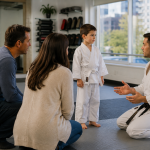
Parents should also observe how instructors communicate with children. A positive learning environment should encourage discipline without relying on fear or unnecessary pressure.
Adults can ask about beginner sessions, fitness requirements, class structure, and the type of martial art being taught.
Making Martial Arts Part of a Regular Routine
Consistency is one of the most important parts of gaining the benefits of martial arts. Attending one class occasionally may be enjoyable, but regular practice provides more opportunities to build skills.
A realistic schedule is usually easier to maintain than an overly ambitious one. Beginners can start with a manageable number of sessions and adjust their routine as they become more comfortable.
For families, training can also become a shared activity. Programs offering kids and adults martial arts can provide a way for different family members to develop their skills while maintaining their own age-appropriate training.
At Villari’s Martial Arts Centres, structured instruction can provide a setting for students to develop physical skills alongside focus, discipline, confidence, and respect.
Choosing the Right Martial Arts Training Program
Not every martial arts program has the same goals or teaching style. Some may focus heavily on competition, while others place greater emphasis on fitness, traditional practice, self-defense, or personal development.
When comparing martial arts training programs, consider what you or your child actually want from training.
Parents may prioritise safety, age-appropriate teaching, confidence, and social development. Adults may focus more on fitness, self-defense, stress relief, or learning a new skill.
The right choice should be based on the student’s goals, comfort level, schedule, and the teaching environment.
Final Thoughts
The benefits of martial arts can extend across physical fitness, mental development, social interaction, confidence, discipline, and practical self-defense awareness.
For children, training can support movement skills, focus, patience, teamwork, and confidence. For adults, it can offer a structured way to stay active while developing new skills and learning practical self-defense concepts.
Most importantly, martial arts should be approached as a long-term learning process. Progress comes from regular practice, good instruction, safe training, and realistic goals. Whether someone is taking their first class or continuing an established routine, martial arts can provide useful skills that extend beyond the training floor.
FAQs
1. What are the main benefits of martial arts?
The main benefits can include improved fitness, coordination, focus, discipline, confidence, social skills, and practical self-defense awareness.
2. Is martial arts suitable for children?
Yes. Many programs offer age-appropriate martial arts for kids. Children’s classes should use suitable exercises and focus on safety, skill development, respect, and controlled practice.
3. Can adults start martial arts as beginners?
Yes. Adults can begin martial arts at different fitness and experience levels. Beginner-friendly classes can introduce fundamental movements and techniques at a suitable pace.
4. Does martial arts improve physical fitness?
Martial arts can support fitness through movement drills, technique practice, conditioning, and repeated exercises. The exact results depend on the training style and frequency.
5. Can martial arts help children develop confidence?
Training can give children opportunities to learn new skills, handle challenges, receive feedback, and recognise their progress. These experiences may support confidence over time.
0 Comments